


How to Maintain Carpet Between Professional Cleanings
Maintaining carpet between professional visits requires a consistent routine of high-frequency vacuuming, immediate spot treatment, and soil prevention at entry points. These actions prevent dry soil from settling deep into the pile where it acts as an abrasive, cutting through carpet fibers and causing premature wear. Effective maintenance relies on using equipment with high-efficiency particulate air (HEPA) filters and following a strict blotting technique for all liquid spills to avoid spreading the contaminant.
Consistent upkeep ensures the carpet remains hygienic and structurally sound for its intended lifespan. This guide provides a detailed breakdown of the steps required to keep flooring in top condition. While specific requirements vary based on fiber type and local environment, All Points Cleaning and Restoration brings years of field experience in fiber science and restorative care to these recommendations, ensuring every step is grounded in practical application.
Effective Vacuuming Protocols for Soil Removal
The most effective way to preserve carpet is through regular vacuuming. Most visible wear is actually caused by dirt that has been walked into the carpet. According to data from The Carpet and Rug Institute, nearly 80 percent of the soil that enters a home is dry particulate matter. If this dirt stays in the carpet, it grinds against the fibers like sandpaper every time someone walks on it.
Vacuum Frequency and Traffic Patterns
Vacuuming frequency should match the level of activity in specific areas. High-traffic zones like hallways, entryways, and living rooms need daily attention. Bedrooms and less-used spaces can typically handle a twice-weekly schedule. Maintaining a regular schedule prevents the soil from “filtering” down to the carpet backing, where it becomes much harder to remove without professional equipment.
Equipment Selection and HEPA Filtration
The type of vacuum used is just as important as how often it is used. Machines with a Carpet and Rug Institute “Green Label” are tested for soil removal and dust containment. A vacuum with a HEPA filter is essential for indoor air quality. A report by the Environmental Protection Agency suggests that carpets act as a trap for allergens and pollutants. A high-quality vacuum captures these particles rather than exhausting them back into the breathing zone.
Vacuuming Technique
Slow, deliberate passes are more effective than quick movements. A vacuum needs time for the brush roll to agitate the fibers and for the suction to pull the dirt out. Using a “criss-cross” pattern by vacuuming in one direction and then again at a 90-degree angle ensures that the machine reaches all sides of the carpet yarn.
Bonus Tip: Change the vacuum bag or empty the canister when it is half full. A full bag significantly reduces the suction power of the machine, making the time spent vacuuming less productive.
Science of Spot and Stain Management
Spills are inevitable, but they do not have to become permanent stains. The goal of spot cleaning is to remove the substance without damaging the carpet fiber or the dye.
The Blotting Method
Never rub or scrub a spill. Rubbing twists the carpet fibers and can cause permanent fraying known as “fuzzing.” Instead, use a clean, white cloth or paper towel to blot the area. Start from the outside of the spill and work toward the center to prevent the liquid from spreading. Apply firm downward pressure to soak up as much liquid as possible.
Choosing the Right Cleaning Solution
Many over-the-counter carpet cleaners contain high-pH chemicals or optical brighteners that can leave a sticky residue. This residue actually attracts more dirt over time, leading to a dark spot that reappears weeks later. Use a pH-neutral cleaner or a simple mixture of a few drops of clear dish soap in a cup of water. Always test any cleaning solution in an inconspicuous area, such as inside a closet, to ensure it does not cause color bleeding.
Dealing with Specific Contaminants
Different spills require different approaches. For example, protein-based spills like blood or milk should be treated with cold water, as heat can “set” the stain. Conversely, oily spots might need a small amount of rubbing alcohol applied to a cloth first.
| Household Scenario | Vacuuming Frequency | Spot Check Frequency | Entrance Mat Care |
|---|---|---|---|
| Single Occupant | 1-2 times per week | Weekly | Shake out monthly |
| Family with Children | 3-4 times per week | Daily | Vacuum weekly |
| Multi-Pet Household | Daily | Daily | Wash/Replace quarterly |
Preventive Measures to Stop Dirt at the Door
The best way to keep carpet clean is to prevent dirt from reaching it in the first place. This involves a combination of exterior and interior strategies.
Walk Off Mats and Entry Systems
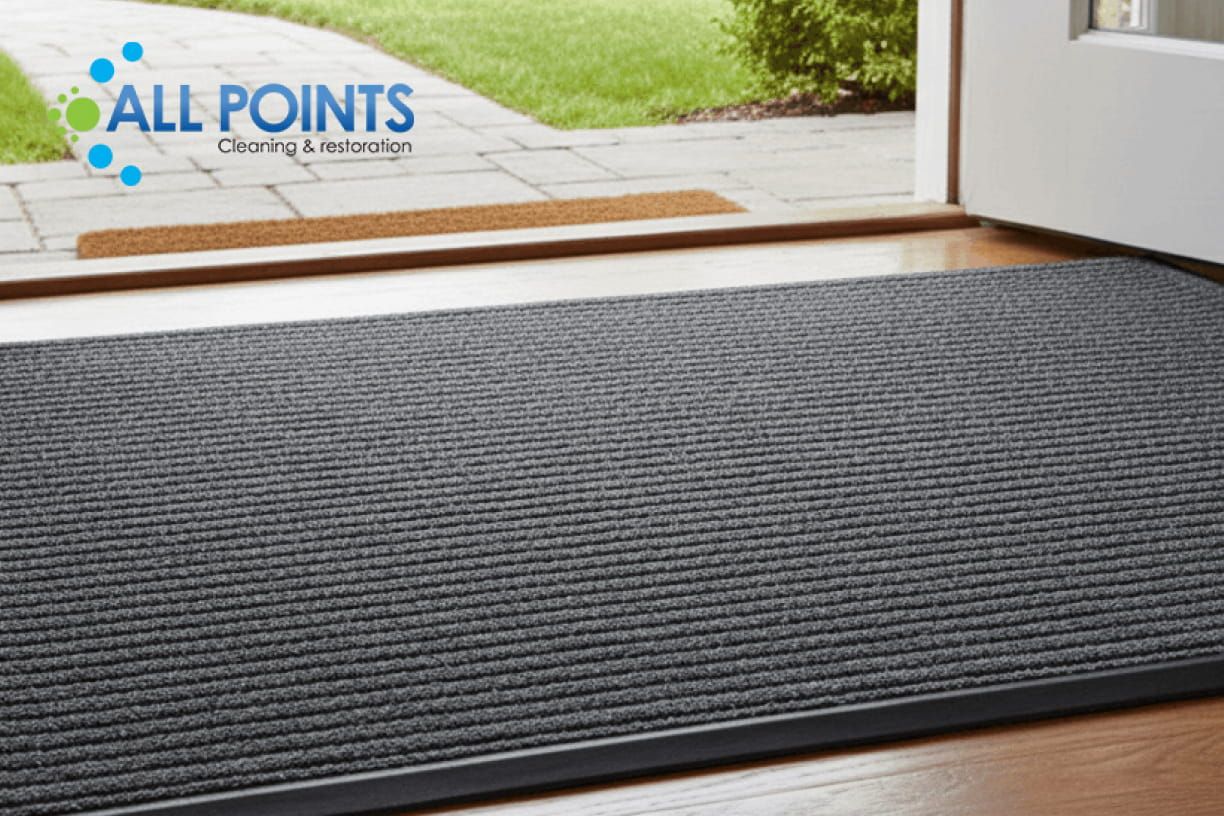
Placing mats both outside and inside every entrance is a simple way to reduce maintenance needs. A study from the National Center for Healthy Housing indicates that long walk-off mats can significantly reduce the amount of lead dust and pesticides brought into a home. Mats should be long enough for a person to take at least two steps with each foot before reaching the carpet.
Indoor Footwear Policies
Implementing a “no shoes” policy is one of the most effective ways to preserve flooring. Shoes carry grease, asphalt, and exterior pollutants that bond to carpet fibers. However, walking in bare feet can also transfer body oils to the carpet. Wearing clean socks or indoor-only slippers provides a protective barrier for the carpet pile.
Bonus Tip: Check the filters in the heating and cooling system regularly. A dirty HVAC filter allows dust to circulate through the air and eventually settle into the carpet fibers, creating a greyish film over time.
Considerations Before Establishing a Maintenance Routine
Before deciding on a specific cleaning frequency or purchasing supplies, consider the environmental variables unique to your home. All Points Cleaning and Restoration suggests evaluating these factors before establishing a maintenance schedule.
- Fiber Type: Synthetic fibers like nylon are resilient and handle water-based cleaners well. Natural fibers like wool are more sensitive to high-pH chemicals and excessive moisture.
- Carpet Color and Texture: Light-colored carpets show “track-off” patterns more quickly. Loop-pile carpets, like Berber, can snag if the vacuum brush roll is set too low.
- Local Climate: Homes in dusty or sandy environments require more frequent vacuuming than those in humid, rainy areas where mud and moisture are the primary concerns.
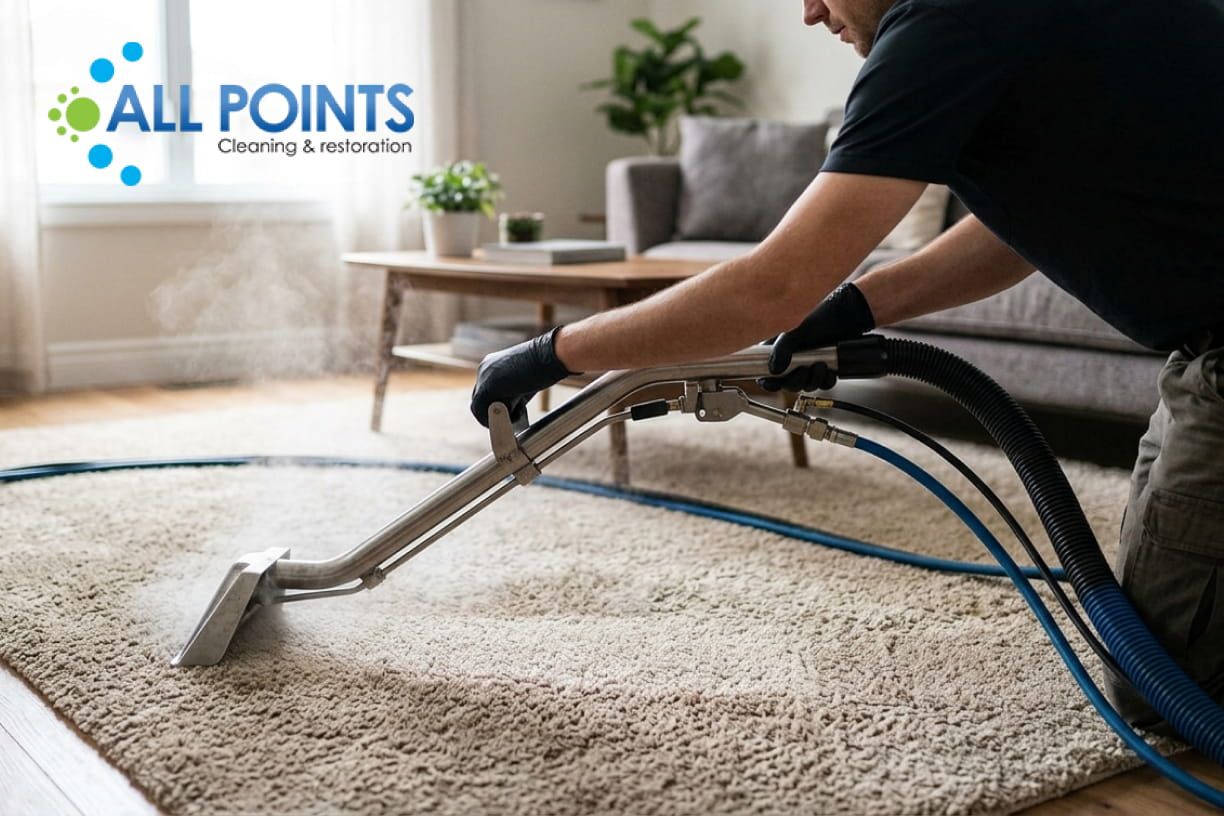
- Warranty Requirements: Many carpet manufacturers require professional steam cleaning every 12 to 18 months to keep the warranty valid. Check the specific documentation for the installed carpet.
Common Questions About Home Maintenance
Can I use a home steam cleaner for maintenance?
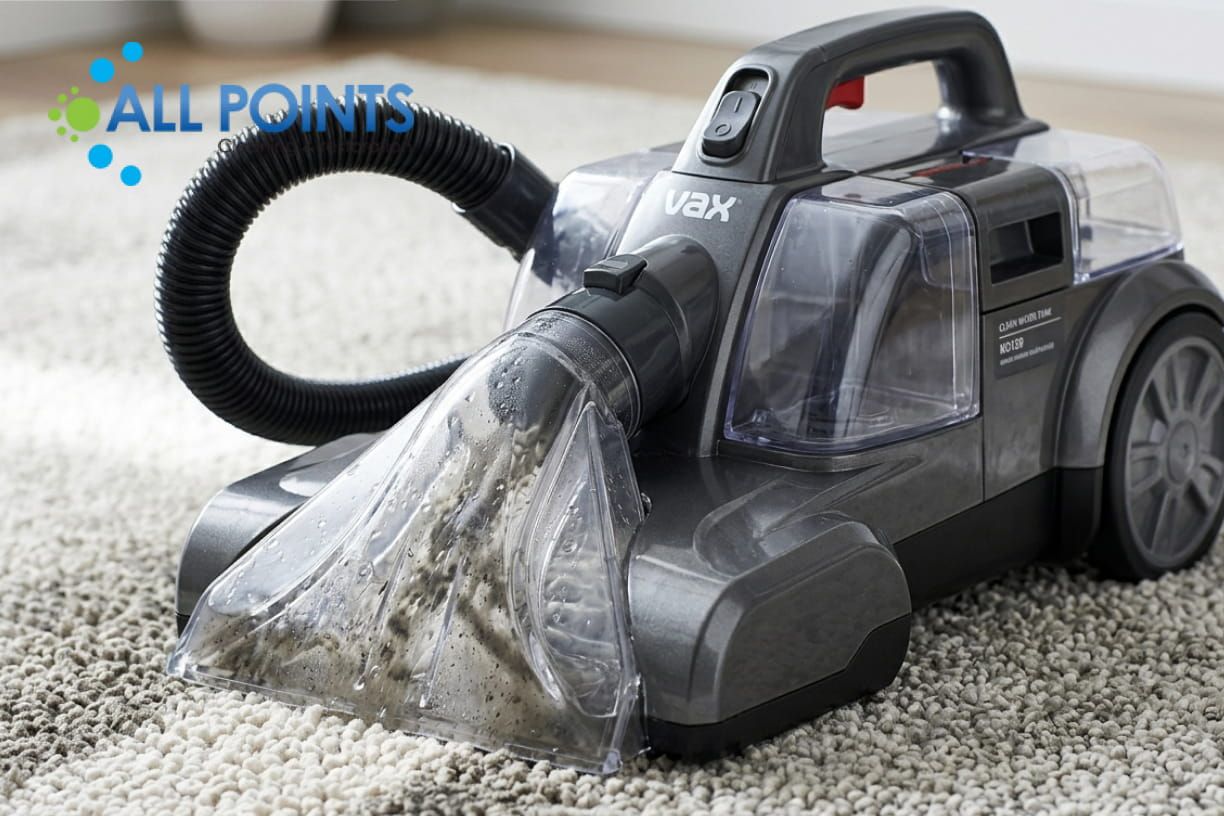
While small home machines are useful for occasional spot cleaning, they often lack the suction power of professional units. This can leave the carpet too wet, which leads to mold or mildew growth. Use these machines sparingly and ensure the carpet dries within six to eight hours.
Is baking soda safe for deodorizing?
Baking soda consists of very small, abrasive particles. Much like the dry soil particles mentioned earlier, these can settle at the base of the carpet and act like sandpaper on the fibers. They are also difficult for standard household vacuums to remove completely. High-quality vacuuming is usually sufficient for odor control.
How do I stop my carpet from flattening?
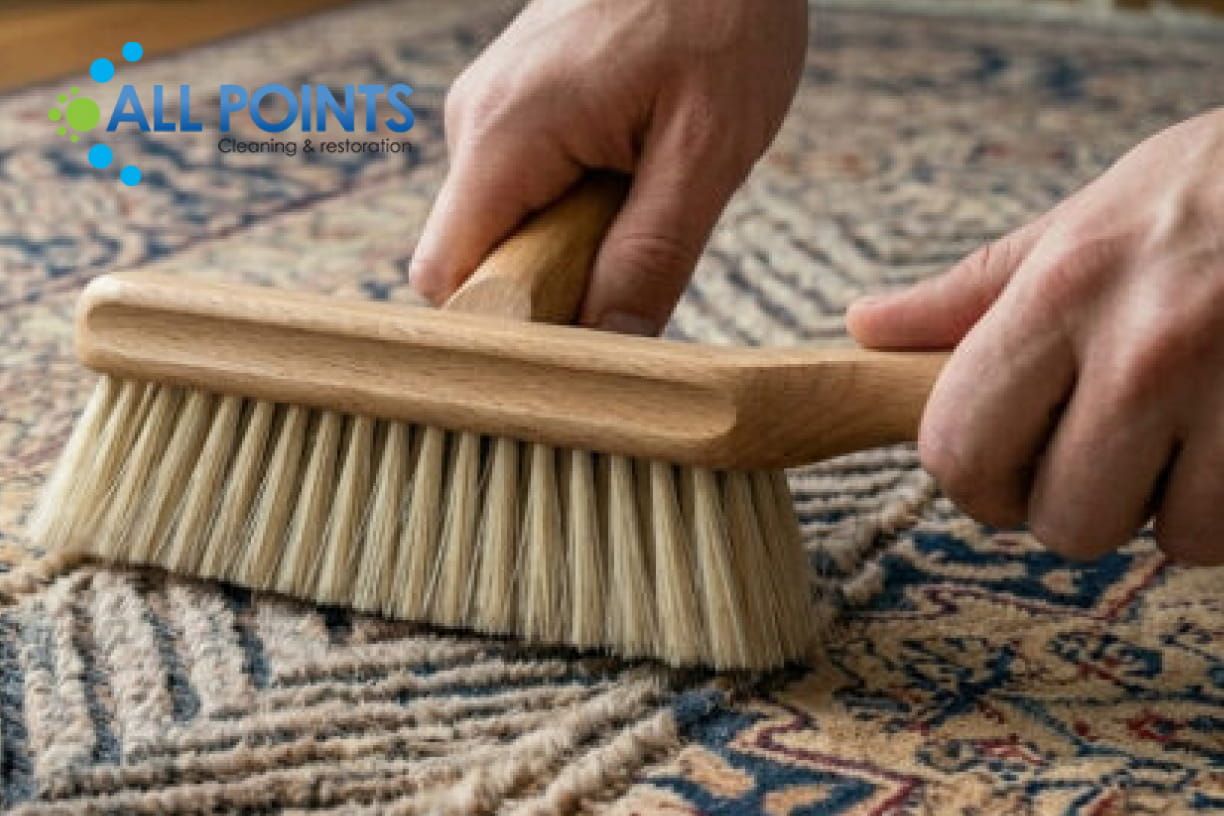
Regularly moving furniture a few inches can prevent permanent indentations. For high-traffic paths that are starting to look matted, a carpet rake or a stiff-bristled brush can help lift the pile back up before vacuuming.
Common Concerns Addressed
Why do spots reappear after I clean them?
This usually happens for two reasons. Either the spill “wicked” up from the backing as it dried, or the cleaning solution left a residue that is now attracting new dirt. To fix this, blot the area with plain water to remove the soap and use a weighted stack of paper towels to pull moisture out of the backing.
Are “carpet powders” helpful?
Most professionals advise against them. These powders can build up in the carpet over time and create a gummy residue when they come into contact with water during a future professional cleaning.
Should I use a beater bar on all carpets?
A beater bar or rotating brush is great for cut-pile carpets but can be damaging to certain styles. For example, long shag carpets can get tangled, and hand-tufted rugs might lose fibers. Most modern vacuums allow the user to turn the brush roll off for delicate surfaces.
Summary of Best Practices
Effective carpet maintenance is built on the foundation of frequent vacuuming and immediate, careful spot treatment. By using the right tools and preventing soil entry through the use of mats, the life of the carpet is extended and the indoor environment remains healthier. Homeowners should evaluate their specific household traffic and fiber types to create a custom schedule that works for their needs. Consistent small efforts prevent the need for aggressive, restorative measures later.
Expert Assistance and Guidance
For those who need professional support in maintaining their home environment, All Points Cleaning and Restoration provides expert services tailored to specific flooring needs. Whether dealing with a difficult stain or needing a scheduled deep clean, the team offers knowledgeable solutions. Contact martin@allpointscarpetcare.com or call (310) 872-0453 to discuss your maintenance needs or to schedule a professional evaluation of your carpet condition.
Sources
- The Carpet and Rug Institute – A primary industry source for carpet maintenance standards and equipment testing data.
- Environmental Protection Agency – Provides guidelines on indoor air quality and the role of flooring in trapping pollutants.
- National Center for Healthy Housing – Offers research-based insights into how entrance mats and cleaning routines impact home health.
Leave a Reply