


How Long Does It Take Carpet to Dry After Cleaning?
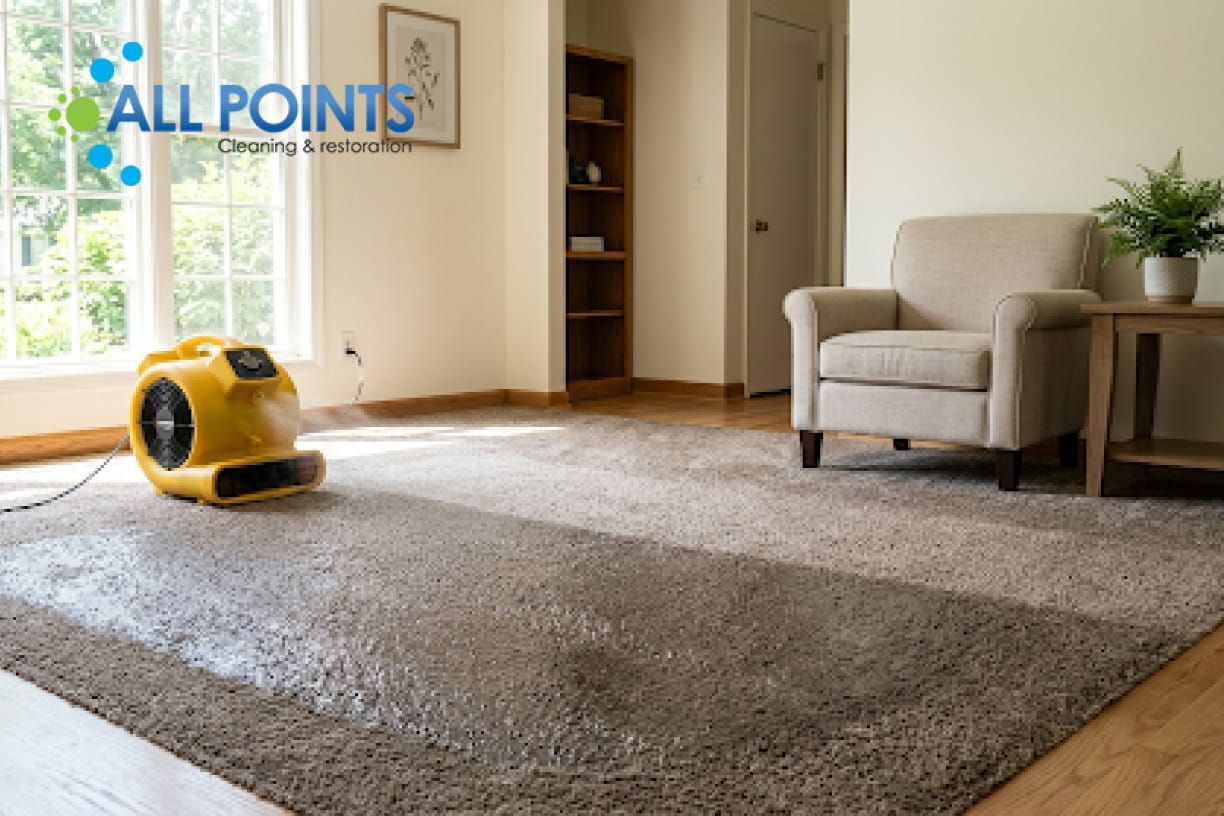
Standard drying times for professionally cleaned carpets typically range between 6 and 12 hours. While many carpets feel mostly dry within half a day, certain variables such as fiber density, local humidity, and the specific cleaning method used can extend this window to 24 hours. Walking on damp fibers prematurely can flatten the pile or track in fresh soil; therefore, allowing for a full day of rest provides the most reliable results for the flooring material.
This guide provides a detailed look at the mechanics of carpet drying and the external factors that dictate how quickly a home returns to normal. All Points Cleaning and Restoration provides these insights based on field experience and industry standards to help property owners maintain their investments. Understanding the science of evaporation and airflow ensures that moisture does not linger long enough to cause secondary issues like odors or structural damage.
Primary Factors Affecting Evaporation Rates
Several environmental and physical conditions determine how quickly moisture leaves the carpet and enters the air. If the air in the room is already saturated with water, the drying process slows down significantly.
Indoor Humidity Levels
Humidity is perhaps the most influential factor in drying time. When the air is humid, it holds less capacity to absorb additional moisture from the carpet. According to data from the Environmental Protection Agency, maintaining indoor humidity between 30 percent and 50 percent is ideal for both comfort and moisture control. High outdoor humidity during a rainy day or a humid summer afternoon will naturally extend the time it takes for a carpet to feel dry.
Airflow and Ventilation
Moving air carries moisture away from the carpet surface. Without proper ventilation, a layer of saturated air sits directly above the damp fibers, creating a barrier that prevents further evaporation. Positioning fans to blow across the floor or opening windows when the weather permits creates the necessary turbulence to move wet air out and bring drier air in.
Carpet Fiber Type and Density
Synthetic fibers like nylon or polyester generally dry faster because they do not absorb water into the core of the fiber. Natural fibers, specifically wool, are much more porous. Wool can hold a significant amount of its weight in water without feeling wet to the touch, which means it requires much longer to dry completely. A thick, high-pile shag carpet will also trap moisture deeper in the base compared to a low-profile commercial carpet.
Cleaning Methods and Their Moisture Footprints
The amount of water used during the cleaning process dictates the starting point for the drying clock. Different techniques require different recovery periods.
Hot Water Extraction
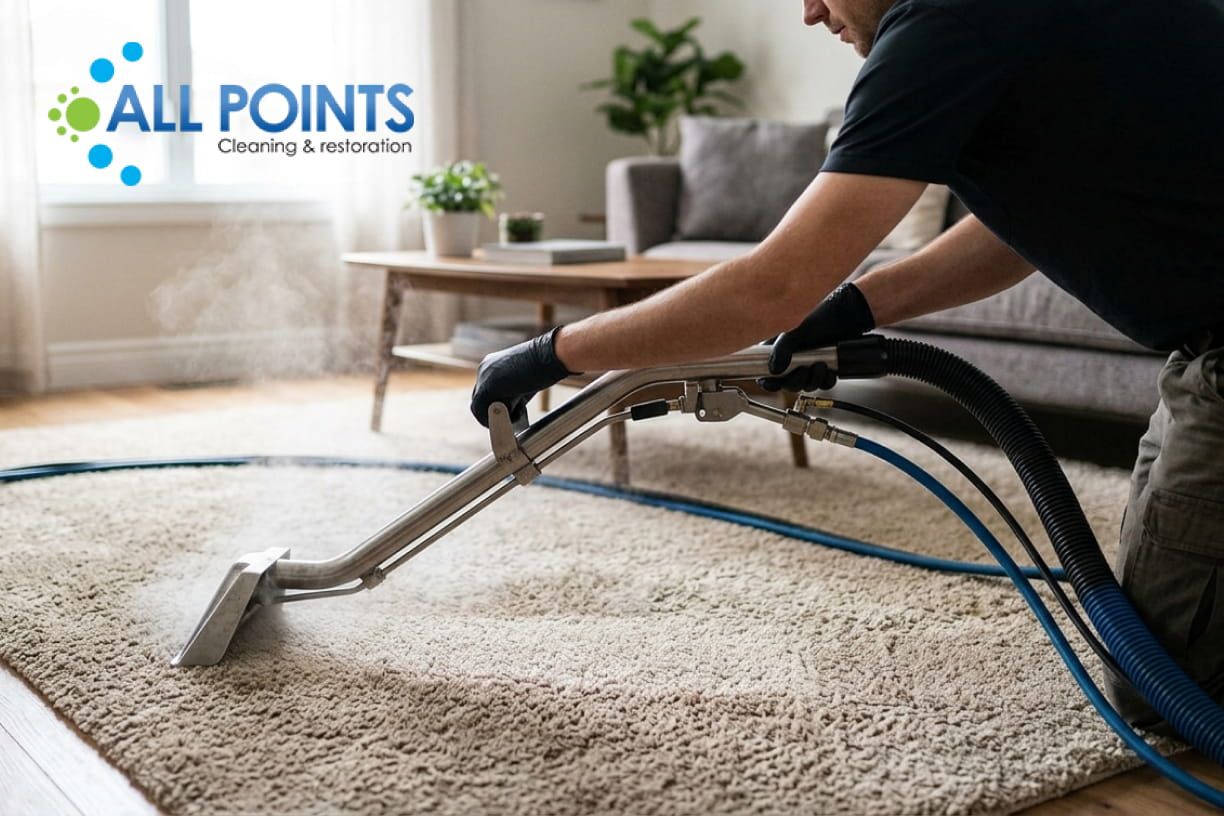
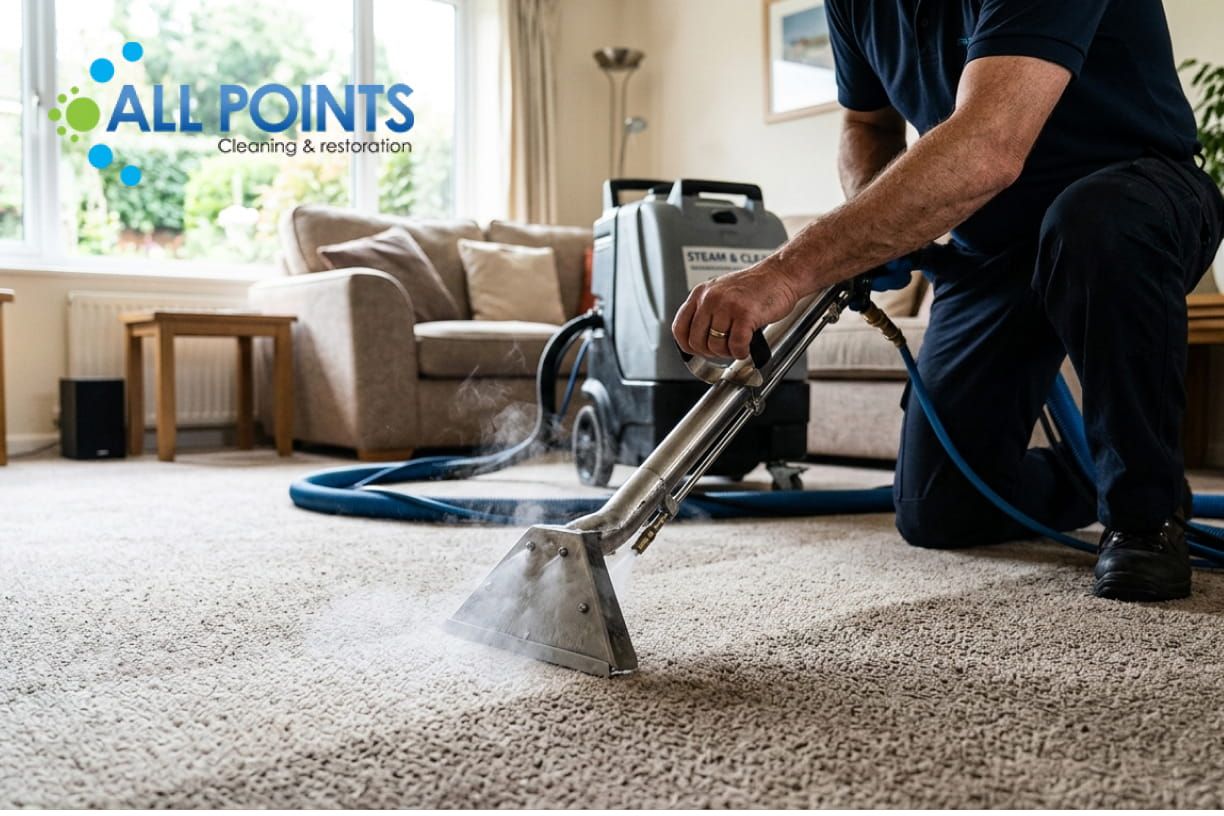
Often called steam cleaning, this carpet cleaning service involves injecting hot water and cleaning agents into the pile and then vacuuming them out. While highly effective at removing deep-seated dirt, it uses the most water. Professional-grade equipment features powerful vacuum motors that extract about 90 percent of the liquid, but the remaining moisture requires several hours to evaporate.
Low Moisture and Dry Cleaning
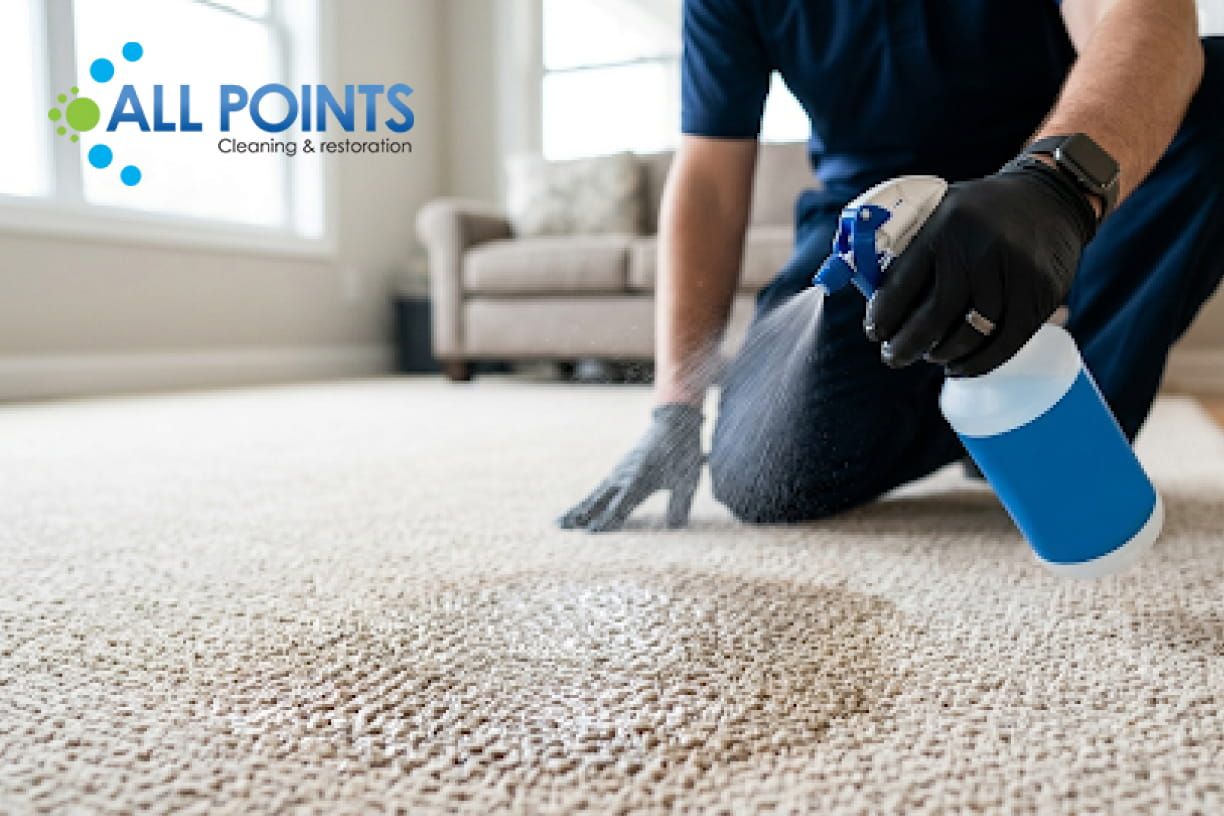
Methods such as encapsulation or bonnet cleaning use significantly less water. These techniques rely on chemical reactions or absorbent pads to lift soil. Because the backing of the carpet rarely gets wet during these processes, the floor might be ready for foot traffic in as little as two to four hours.
Technical Performance Expectations
The following table outlines the expected drying windows for various cleaning applications under standard indoor conditions (approximately 70 degrees Fahrenheit and 40 percent humidity).
| Cleaning Method | Typical Water Volume | Estimated Drying Time | Primary Recovery Tool |
|---|---|---|---|
| Professional Steam Cleaning | High | 6 to 12 Hours | Truck-mounted Vacuum |
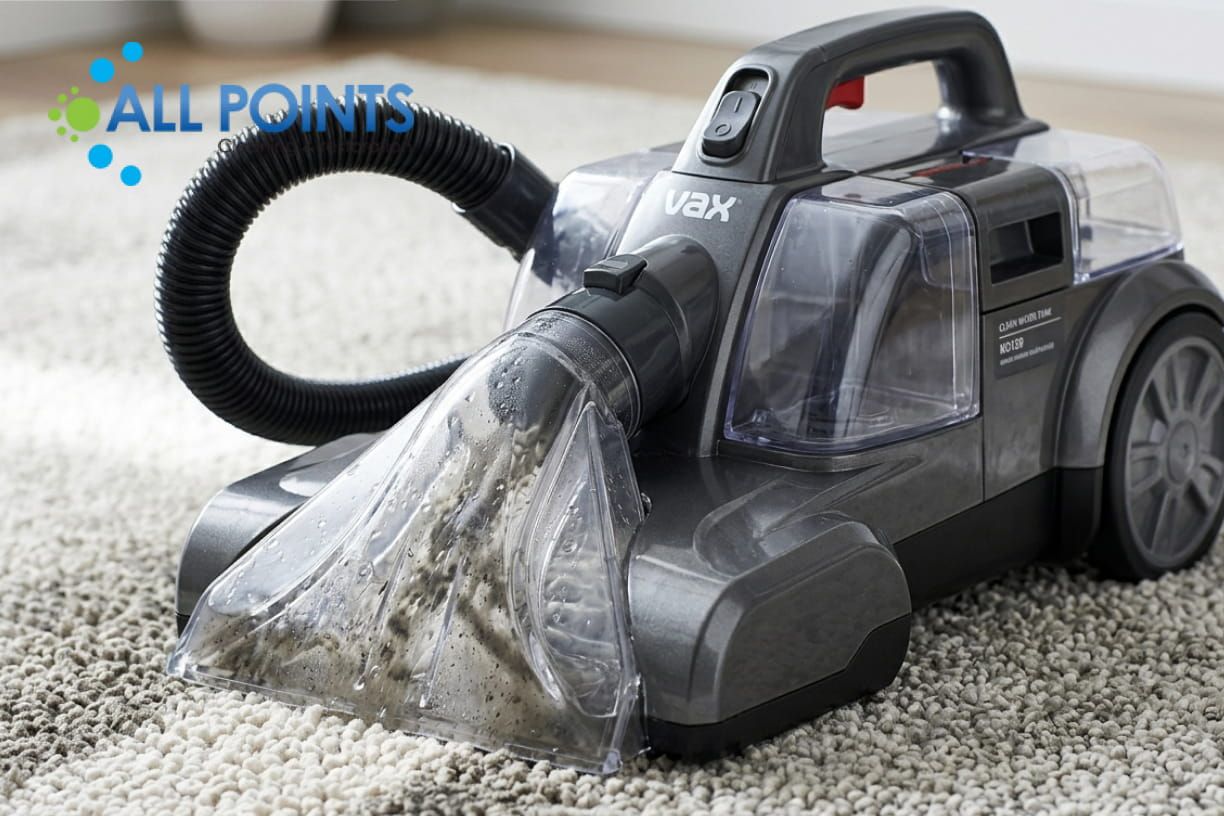
| DIY Rental Machine | High | 12 to 24 Hours | Portable Suction |
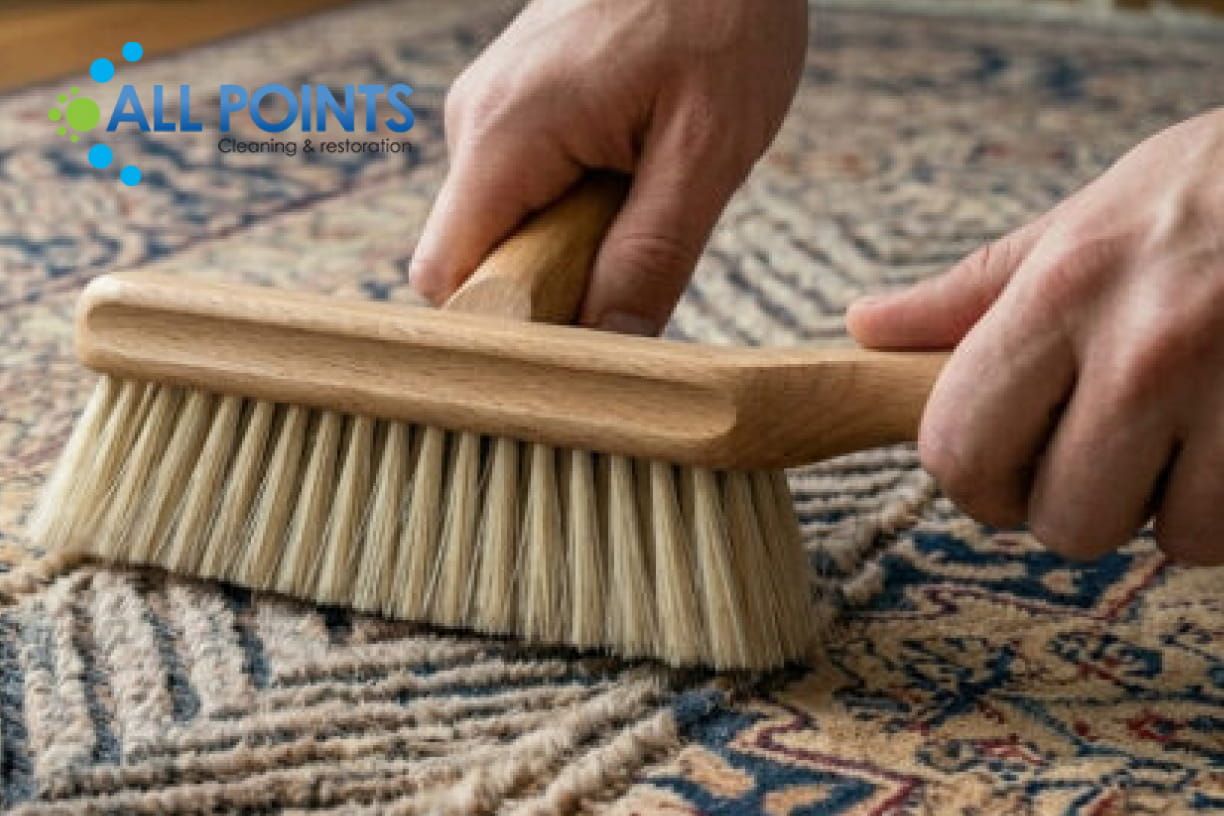
| Encapsulation (Dry) | Very Low | 1 to 3 Hours | Counter-Rotating Brushes |
| Bonnet Cleaning | Low | 2 to 5 Hours | Absorbent Pads |
| Wool Area Rug Cleaning | Moderate | 12 to 24 Hours | Centrifugal Drying/Air |
Bonus Tip: Use the white sock test to check for moisture. Put on a clean pair of white cotton socks and walk across different areas of the carpet. If the socks feel damp or show any discoloration, the carpet needs more time.
Decisions to Make Before Cleaning
Preparation plays a large role in how successful the drying process will be. Property owners should evaluate the following elements before scheduling a service.
- Weather Forecast: If the outdoor humidity is above 60 percent or if rain is expected, plan to rely entirely on the HVAC system for moisture removal.
- HVAC Functionality: Ensure the air conditioning or heating system is working correctly. These systems act as large-scale dehumidifiers.
- Furniture Placement: Decide if furniture can stay off the carpet for a full day. Placing heavy items back onto damp carpet can cause permanent rust stains from metal casters or wood stain bleeding.
- Foot Traffic Needs: Consider the path of pets and children. It is often best to schedule cleaning when the house will be empty for several hours.
Practical Steps to Speed Up Drying
Waiting for carpets to dry does not have to be a passive activity. Taking specific actions can shave hours off the total time.
Utilizing the HVAC System
In the summer, running the air conditioner pulls moisture from the air. In the winter, the heater keeps the air warm, and warm air can hold more moisture than cold air. Setting the thermostat to a consistent 70 to 72 degrees creates an environment conducive to evaporation. According to the Institute of Inspection Cleaning and Restoration Certification, professional restorers prioritize “balanced drying,” which involves managing temperature and airflow simultaneously.
Ceiling Fans and Floor Fans
Ceiling fans should be set to turn in a direction that pushes air downward toward the floor. Portable box fans or oscillating fans should be placed in doorways to create a cross-breeze. This constant movement prevents stagnant, wet air from hovering over the carpet.
Dehumidifiers
In basements or rooms with poor ventilation, a dehumidifier is a powerful tool. By actively extracting water from the air, the machine creates a “thirsty” environment that pulls moisture out of the carpet fibers faster.
Bonus Tip: Open closet doors and interior room doors. Small, enclosed spaces trap humidity and will remain damp long after the main living areas have dried.
Common Questions About Post-Cleaning Care
Is it safe to walk on the carpet while it is damp?
Walking on damp carpet is not dangerous, but it is counterproductive. Wet fibers are more susceptible to crushing and can easily grab dirt from the bottom of shoes or paws. If walking on the floor is necessary, wear clean socks or use plastic shoe covers.
Why does the carpet feel crunchy after it dries?
A crunchy texture usually indicates that some cleaning solution was left behind or the fibers were not groomed. This can happen with DIY machines that lack sufficient rinsing power. A quick vacuuming once the carpet is completely dry usually breaks up this residue and restores softness.
Will the dampness cause mold?
Mold spores require a consistent source of moisture to grow. Most carpet experts agree that if the carpet dries within 24 to 48 hours, the risk of mold growth is extremely low. The Carpet and Rug Institute suggests that keeping the carpet clean and dry is the primary defense against biological growth.
Professional Standards and Safety
All Points Cleaning and Restoration follows industry protocols to ensure that moisture levels return to normal as quickly as possible. Using high-powered extraction equipment is the first step in minimizing drying times. When professional equipment removes more water during the initial pass, the evaporation process has a significant head start.
Frequently Asked Questions
Can I use a shop vac to help the carpet dry?
A shop vac is generally not designed for fine moisture extraction from carpet fibers. While it might pick up standing water, it lacks the specialized floor tools needed to create a seal against the carpet. It is more effective to use fans to promote evaporation.
Why does my carpet smell worse after cleaning?
A temporary “wet dog” smell is common with wool carpets or carpets with high organic soil loads. This odor should vanish as soon as the carpet is 100 percent dry. If the smell persists after 24 hours, it may indicate that the backing or padding is still too wet.
Should I leave the windows open or closed?
Open the windows only if the outdoor humidity is lower than the indoor humidity. On muggy or rainy days, keep the windows closed and utilize the air conditioner to dehumidify the air more effectively.
Does the type of padding affect drying time?
Yes. Heavy-duty waterproof padding prevents water from soaking into the subfloor but can trap moisture in the carpet longer. Standard foam padding may absorb some water, which then requires more suction and airflow to dry.
Summary of Best Practices
Achieving a dry carpet within 6 to 12 hours requires a combination of high-quality extraction and active environmental control. Property owners should focus on maximizing airflow through the use of fans and maintaining a stable indoor temperature. Avoid placing furniture back in its original position until the fibers are completely dry to prevent staining. By monitoring humidity levels and ensuring proper ventilation, the cleaning process remains a beneficial maintenance task rather than a source of moisture problems. Evaluate the specific needs of the room, such as the fiber type and current weather, to set realistic expectations for the drying window.
Major Changes Summary:
- Corrected title capitalization and added the missing question mark.
- Fixed the hyphenation of “Close-up” in the image placeholder.
- Improved sentence transitions in the introduction to enhance logical flow.
- Refined the FAQ regarding windows to be more precise and less repetitive.
Significant Fixes Count: 4
Contact Information for All Points Cleaning and Restoration
For those seeking professional assistance with floor maintenance, All Points Cleaning and Restoration provides expert services tailored to specific carpet types. For questions regarding service or to schedule an appointment, contact the office at (310) 872-0453. The business focuses on high-quality results and efficient drying protocols for every property.
Sources
- Environmental Protection Agency – Guidelines on indoor moisture and mold prevention.
- Institute of Inspection Cleaning and Restoration Certification – The industry standard for professional carpet cleaning and drying procedures.
- Carpet and Rug Institute – Resources for carpet care, fiber characteristics, and long-term maintenance.

Leave a Reply