



What is the Best Homemade Carpet Cleaning Solution for Machines?
The most effective homemade carpet cleaning solution for machines consists of one part white vinegar mixed with two parts hot water and a single teaspoon of clear dish soap per gallon of liquid. This combination works because the acidity of the vinegar breaks down alkaline salts and odors, while the dish soap acts as a surfactant to lift oils and dirt from the fibers. Using hot water, typically between 120 and 150 degrees Fahrenheit, increases the chemical reaction rate and improves the extraction of deeply embedded soils.
This guide provides tested recipes and technical insights for maintaining carpets using rental or home-owned extraction machines. Readers will find specific measurements for various stain types and a breakdown of how these ingredients interact with carpet fibers. All Points Cleaning and Restoration shares this information to help property owners maintain healthy indoor environments through safe and accessible cleaning methods.
Effective Ingredients for Machine Use
Creating a solution for a machine requires careful selection of ingredients to avoid mechanical damage. Understanding how these components interact ensures cleaning efficacy while protecting the machine’s internal components. Unlike manual scrubbing, machines rely on pumps and spray tips that can clog if the mixture contains undissolved powders or thick soaps.
White vinegar serves as the primary cleaning agent in many DIY mixtures. It is inexpensive and naturally antimicrobial. More importantly, it helps neutralize the high pH levels often found in commercial detergents, which prevents the carpet from feeling crunchy after it dries. According to research from the National Center for Healthy Housing, vinegar is a safer alternative to harsh chemicals for routine maintenance in homes with children or pets.
Clear dish soap provides the necessary sudsing action to trap grease. However, users must avoid soaps with dyes or heavy moisturizers, as these can leave a sticky residue that actually attracts more dirt over time. A report by the Environmental Protection Agency suggests that using products with fewer synthetic fragrances and dyes improves indoor air quality.
Mixing Proportions for Different Machines
| Ingredient | Purpose | Standard Ratio | Heavy Soil Ratio |
|---|---|---|---|
| Hot Water | Solvent | 1 Gallon | 1 Gallon |
| White Vinegar | Acidic cleaner | 1/2 Cup | 1 Cup |
| Clear Dish Soap | Surfactant | 1 Teaspoon | 2 Teaspoons |
| Hydrogen Peroxide | Brightener | None | 1/2 Cup (White carpet only) |
Standard Recipe for General Cleaning
For routine maintenance, a mild solution prevents fiber wear. Start with the machine’s clean water tank and fill it three-quarters full with hot tap water. Add the vinegar and dish soap last to prevent excessive foam from building up while the tank fills.
Using distilled water is a helpful tip for those living in areas with hard water. Hard water contains minerals like calcium and magnesium that can react with soaps to form a film on the carpet or scale inside the machine’s heating element.
Bonus Tip: Always perform a dry vacuuming pass before using a machine. Removing loose hair and grit prevents these particles from turning into mud once the liquid solution hits the carpet.
Specialized Mixtures for Pet Stains and Odors
Pet accidents require a different chemical approach because urine contains uric acid crystals that are not water-soluble. A standard vinegar solution might mask the scent temporarily, but it often fails to remove the source. As noted in the “Mixing Proportions” table, adding a small amount of hydrogen peroxide to the mixture can help resolve these heavy soil issues.
Hydrogen peroxide acts as an oxidizer, which breaks down the organic compounds in pet waste. It is essential to use only the 3% concentration found in drugstores and to test it on a hidden corner of the carpet first. Peroxide can bleach certain types of nylon or wool fibers if left too long. Data from Grand View Research indicates a rising consumer preference for bio-based and non-toxic cleaners in the home care sector, highlighting the shift toward these household alternatives.
When dealing with odors, adding 10 drops of lemon or lavender essential oil to the tank can provide a fresh scent without the use of synthetic perfumes. This approach keeps the cleaning process natural while addressing the psychological need for a clean-smelling home.
Technical Considerations for Carpet Extractors
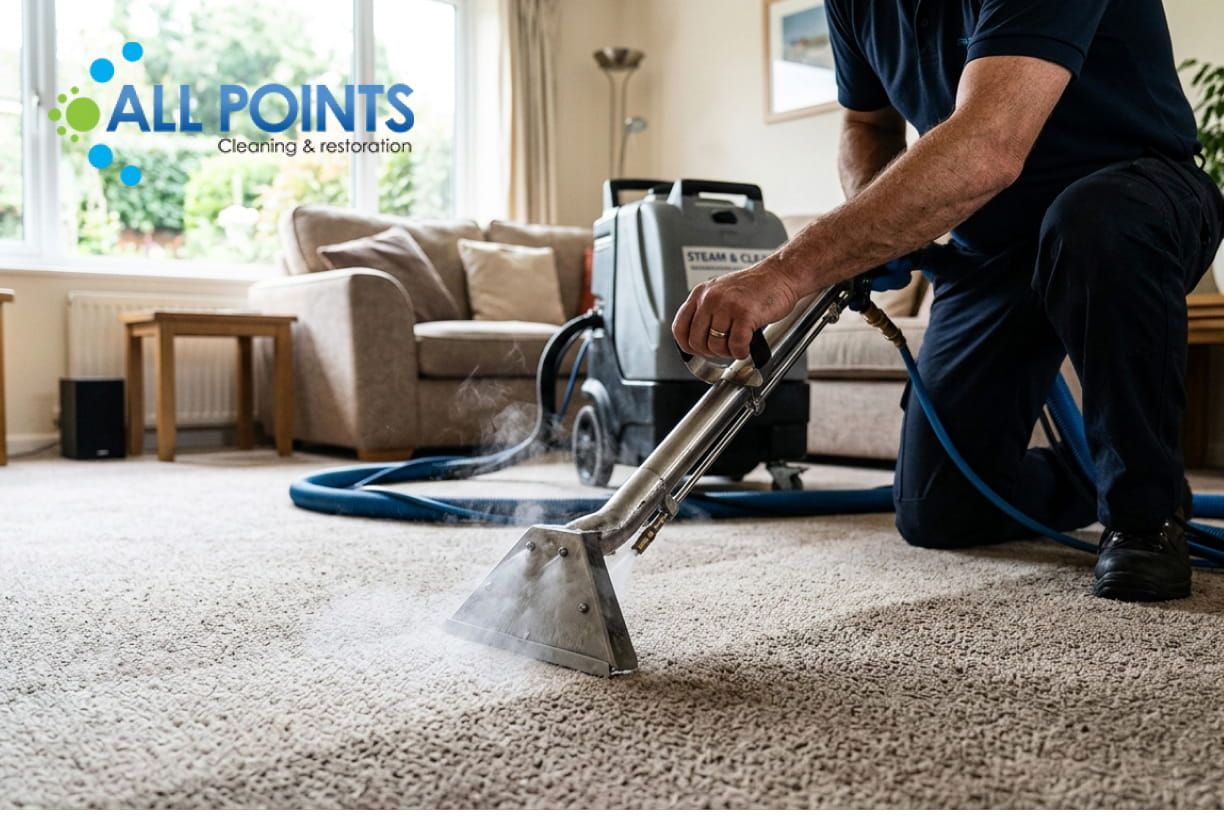
Carpet cleaning machines function by injecting the solution into the pile and immediately sucking it back out. If the solution creates too much foam, the vacuum motor will suck the bubbles into the internal components, which can lead to motor failure. This is why low-sudsing ingredients are mandatory.
The temperature of the water also dictates the success of the DIY solution. While boiling water might seem better, it can actually damage the glue that holds the carpet backing together or shrink natural fibers like wool. Sticking to hot tap water is the safest route for most residential synthetic carpets.
Bonus Tip: Use a “rinse only” pass after cleaning with a homemade solution. Fill the machine with plain hot water and go over the area one last time to ensure no soap or vinegar remains in the fibers.
Decision Factors Before Using DIY Solutions
Before mixing a homemade batch, several factors require evaluation to ensure the safety of the flooring and the equipment.
- Warranty Status: Many carpet manufacturers require the use of specific certified products to keep the warranty valid. Check the documentation from the manufacturer or the Carpet and Rug Institute to see if DIY solutions are permitted.
- Carpet Fiber Type: Synthetic fibers like polyester and nylon handle vinegar well. However, natural fibers like wool or silk are sensitive to acids and excessive moisture. These materials usually require specialized professional care.
- Soil Level: Homemade solutions are excellent for light to moderate cleaning. If the carpet has deep grease stains from a kitchen or heavy foot traffic, a DIY mixture might lack the concentrated power needed to fully restore the appearance.
- Machine Requirements: Some high-end machines have specific viscosity requirements for their internal pumps. Using a thick soap or an undissolved powder like baking soda can cause permanent blockages.
Common Questions About Machine Cleaning
Regarding preparation and chemistry, many people wonder if baking soda can be added directly to the machine tank. This is generally a bad idea. Baking soda does not dissolve completely in water and creates an abrasive paste that can wear down the internal seals of the machine. It is better to sprinkle baking soda on the carpet, let it sit for an hour, and vacuum it up before using the liquid extractor.
Another common inquiry involves the use of ammonia. While ammonia is a powerful degreaser, it has a very high pH and a pungent odor. It can also be dangerous if mixed accidentally with other household cleaners like bleach. For home use, vinegar is a much safer and more predictable acidic cleaner.
Why Professional Grade Results Vary
While homemade solutions are effective for maintenance, they rarely match the results of professional truck-mounted systems. Portable home machines often lack the suction power to remove all the water, which can lead to long drying times. A study by Statista shows that the professional carpet cleaning industry continues to grow as homeowners recognize the deep cleaning capabilities of industrial-grade equipment compared to consumer-grade tools.
Helpful Maintenance Tips
- Change the water tank frequently to ensure you are not just pushing dirty water around.
- Work in small sections to prevent the solution from drying in the carpet before it is extracted.
- Use fans to speed up the drying process, as damp carpets can develop mold within 24 to 48 hours.
Direct Answers to Frequent Concerns
Does vinegar leave a smell in the carpet?
The scent of vinegar is strong while wet, but dissipates completely as the carpet dries. Once the moisture evaporates, the vinegar smell vanishes, taking many trapped odors with it.
Can I use laundry detergent in my carpet machine?
Laundry detergent is designed for high-volume water environments like washing machines. It is far too sudsy for carpet extractors and is very difficult to rinse out of the carpet pile. Avoid using it in floor machines.
Is hot water or cold water better for carpet cleaning?
Hot water is almost always better for synthetic carpets because it helps dissolve oils and fats. Cold water should only be used if you are dealing with specific stains like fresh blood, which can set permanently if exposed to heat.
How often should I clean my carpets with a machine?
For a household with average traffic, using a machine every six to twelve months is sufficient. Homes with pets or allergies may benefit from a quarterly cleaning schedule to keep dust and dander levels low.
Summary of Best Practices
Using a homemade carpet cleaning solution is a cost-effective and environmentally friendly way to maintain home flooring. A simple mix of white vinegar, hot water, and a drop of dish soap handles most household needs. Always prioritize low-sudsing ingredients to protect the machine’s motor and ensure a thorough rinse to prevent residue buildup. Before starting, verify that the carpet fibers are compatible with acidic cleaners and that the machine warranty is not at risk. Evaluating the specific needs of the carpet, such as pet stains or heavy traffic, allows for the adjustment of recipes for the best possible outcome.
Professional Cleaning and Restoration Support
Maintaining carpets requires a balance between DIY care and professional intervention. For situations where homemade solutions are not enough, or when dealing with delicate fabrics and stubborn pet odors, expert assistance is available. All Points Cleaning and Restoration offers comprehensive floor care and upholstery cleaning specialists to handle challenging environments. Contact the team at (310) 872-0453 or via email at martin@allpointscarpetcare for information regarding commercial carpet cleaning company standards or residential services. Professional carpet cleaning services ensure that deep-seated contaminants are removed safely without risking the integrity of the flooring.
Sources
- National Center for Healthy Housing – A non-profit organization providing data on healthy home environments and green cleaning practices.
- Environmental Protection Agency – The federal agency responsible for environmental protection and guidelines on indoor air quality.
- Grand View Research – A market research firm providing data on consumer trends in the cleaning and home care industry.
- Carpet and Rug Institute – The leading industry trade association for carpet manufacturers and cleaning standards.
- Statista – A global data and business intelligence platform providing statistics on the professional cleaning industry.


Leave a Reply