


How to Clean a Rug Without a Carpet Cleaner
Cleaning a rug effectively without a machine requires a systematic approach involving dry soil removal, targeted stain treatment, and a manual damp-scrub method. The most effective strategy uses a mixture of warm water, a few drops of mild dish soap, and white vinegar to lift dirt from the fibers without saturating the rug backing. This process relies on physical agitation with a soft-bristle brush and thorough drying to maintain the textile’s appearance and structural integrity.
This guide provides a comprehensive breakdown of manual rug maintenance, focusing on techniques that protect various fiber types while achieving a deep clean naturally. All Points Cleaning and Restoration maintains that understanding the specific needs of rug fibers is the first step toward successful home care. By following these professional-grade steps, residents can maintain a healthy indoor environment and extend the life of their floor coverings without investing in expensive equipment.
Initial Preparation and Dry Soil Removal
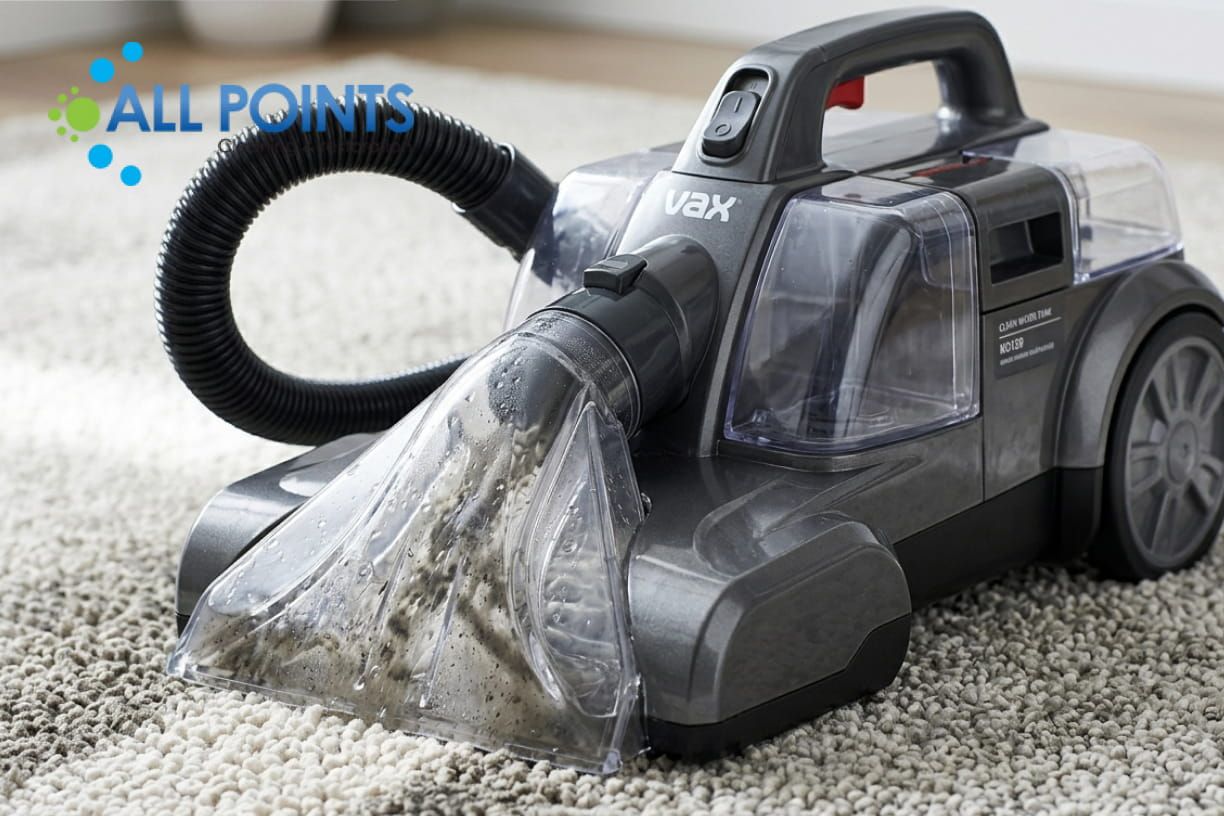
The foundation of any successful rug cleaning starts with removing as much loose debris as possible. Walking on a rug pushes dust, sand, and allergens deep into the pile, where they act like sandpaper against the fibers. Before introducing any moisture, a thorough vacuuming is required. For rugs with high piles, such as shag styles, it is best to turn off the beater bar to avoid pulling or tangling the long yarns.
For smaller rugs, taking them outside and giving them a traditional beating is highly effective. Hanging the rug over a sturdy clothesline or railing and hitting it with a broom handle releases deeply embedded dust that vacuums often miss. A report from The Spruce suggests that removing this dry particulate matter accounts for a large portion of the overall cleaning success, as it prevents the dirt from turning into mud when liquids are applied.
Effective Natural Cleaning Solutions
Using household items for rug maintenance is an excellent way to deep clean a rug naturally. The two primary agents for this task are white vinegar and baking soda. Vinegar acts as a mild acid that helps break down greasy residues and kills certain types of bacteria. Baking soda serves as a deodorizer and a very mild abrasive that helps lift surface stains.
To create a standard cleaning solution, mix one part white vinegar with three parts warm water. Add a teaspoon of clear dish soap to help emulsify oils. It is important to avoid colored soaps, as the dyes could potentially transfer to the rug fibers. This solution works well for synthetic fibers like nylon or polyester, but wool rugs require extra caution and less water.
Bonus Tip: Fiber Testing
Before applying any liquid, test the solution on a small, inconspicuous corner of the rug. Apply the mixture with a white cloth and press down for thirty seconds. If any color transfers to the cloth, the rug is not colorfast and should only be cleaned by professionals to avoid permanent damage.
Manual Scrubbing Techniques for Deep Cleaning
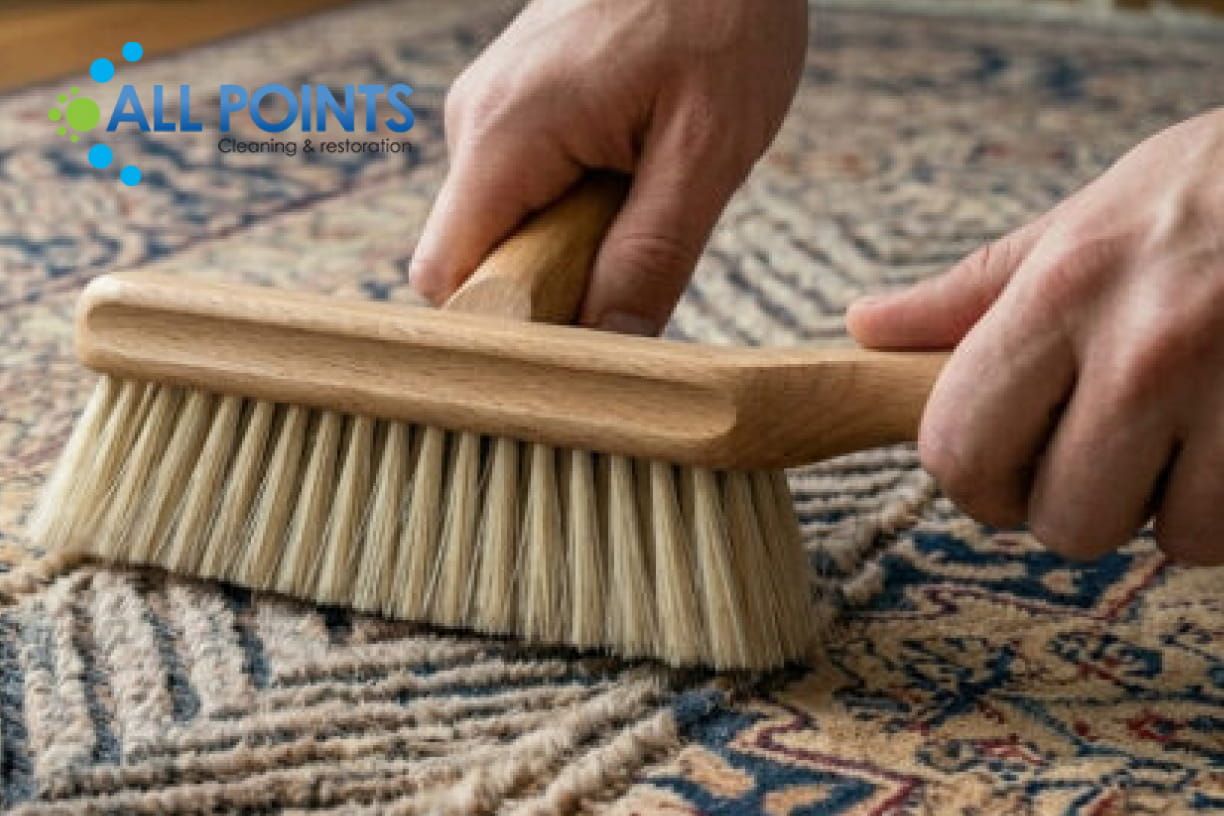
Once the rug is free of loose dust, the manual scrubbing begins. Use a soft-bristle brush or a clean sponge dipped into the vinegar and water solution. The goal is to dampen the fibers, not soak the rug. Excessive water can seep into the backing, which leads to structural damage or mold.
Apply the solution in the direction of the rug pile. Use gentle, circular motions to work the mixture into the fibers. For area rug cleaning at home, focus on high-traffic sections where dirt accumulation is most visible. After scrubbing a section, use a clean, dry towel to blot away the excess moisture and lifted dirt immediately.
Removing Rug Stains at Home
Stains require a more targeted approach than general cleaning. For fresh spills, blotting is the only acceptable first step. Rubbing a spill pushes the liquid deeper into the fibers and can distort the pile.
For older or stubborn spots, the baking soda cleaning method introduced previously remains a reliable approach. Sprinkle a generous amount of baking soda over the stain and mist it lightly with water. Let the paste sit for several hours or overnight. As it dries, the baking soda absorbs the staining agents and odors. Once completely dry, vacuum the area thoroughly. According to research cited by Better Homes & Gardens, this method is particularly effective for organic stains like coffee or pet accidents.
Comparison of Manual Cleaning Agents
The following table outlines the different household agents used for cleaning and their specific functions.
| Cleaning Agent | Primary Use | Best For | Caution |
|---|---|---|---|
| White Vinegar | Breaking down oils and sanitizing | Synthetic and cotton rugs | Always dilute with water |
| Baking Soda | Odor removal and lifting stains | All rug types | Must be vacuumed thoroughly |
| Mild Dish Soap | Removing surface dirt and grease | Synthetic fibers | Use clear soap only |
| Club Soda | Immediate spill treatment | Carbonated lift for fresh spills | Only effective on wet stains |
Drying Rugs Properly to Prevent Damage
Drying is the most critical stage of cleaning a rug without a machine. Moisture trapped in the fibers or the backing is the primary cause of rot and unpleasant smells. To speed up the process, use a wet-dry vacuum if available to pull out remaining liquid. If not, use multiple dry towels and apply pressure to soak up as much water as possible.
Elevate the rug to allow airflow to both the top and the bottom. Placing fans around the rug or using a dehumidifier in the room significantly reduces drying time. Never place a rug in direct, harsh sunlight for extended periods, as UV rays can fade natural dyes and weaken fibers.
Strategies to Prevent Mildew in Rugs
Preventing mildew requires vigilance during the drying phase and regular maintenance. Mildew thrives in dark, damp environments with poor airflow. If a rug stays wet for more than 24 to 48 hours, the risk of mold growth increases substantially.
Keeping the humidity in the home below 50 percent is a standard recommendation for preventing fungal growth on textiles. Information from the Environmental Protection Agency indicates that controlling moisture is the only effective way to manage mold in a home environment. Regularly rotating the rug also helps ensure that different sections receive light and air, preventing moisture buildup under heavy furniture.
Things to Consider Before Cleaning Your Rug
Before starting a manual cleaning project, evaluate the specific needs of the textile. Not every rug is a candidate for DIY cleaning.
- Material Composition: Wool and silk are delicate and sensitive to pH levels. Synthetic rugs like nylon are more resilient to water and agitation.
- Rug Size: Large area rugs are difficult to dry properly without professional equipment. Consider if there is enough space to elevate the rug for airflow.
- Stain Type: Protein-based stains (blood, dairy) require different temperatures than tannin-based stains (wine, tea).
- Age and Value: Antique or hand-knotted rugs are easily damaged by improper scrubbing or harsh household chemicals.
Common Questions About Manual Rug Care
Many homeowners wonder if rug odor removal naturally is possible for persistent smells like pet urine. While baking soda helps with surface odors, deep-seated smells often require professional enzymes that break down the uric acid crystals. Another frequent question involves the use of steam irons. Using a steam iron is generally discouraged for rug cleaning because the intense heat can melt synthetic fibers or shrink natural wool.
Bonus Tip: Using Squeegees
A window squeegee is a surprisingly effective tool for removing pet hair that vacuums leave behind. Dragging a rubber squeegee across the rug surface during the initial dry soil removal phase pulls up embedded fur, making the subsequent washing more effective.
Frequently Asked Questions
Can I use laundry detergent to clean my area rug?
Laundry detergent is generally too concentrated and difficult to rinse out of rug fibers without a machine. Leftover soap residue acts as a magnet for dirt, causing the rug to get dirty again very quickly. It is better to use a small amount of clear dish soap or specialized rug shampoo.
How long does it take for a rug to dry after a manual wash?
Depending on the thickness of the rug and the humidity in the room, it can take anywhere from 12 to 24 hours to dry completely. Using fans and keeping the rug elevated is necessary to ensure the backing dries at the same rate as the surface.
Is vinegar safe for all rug types?
Vinegar is safe for most synthetic and cotton rugs when diluted. However, for wool or silk rugs, the acidity can sometimes affect the dyes. All Points Cleaning and Restoration suggests always performing a spot test before applying vinegar to a high-value or natural fiber rug.
Why does my rug smell worse after I cleaned it?
A sour or “wet dog” smell usually indicates that the rug remained damp for too long. This odor is caused by bacteria or mildew growing in the moist fibers. If this occurs, the rug likely needs a professional treatment to kill the bacteria and dry the core thoroughly.
Summary of Manual Cleaning Steps
Cleaning a rug without a carpet cleaner is a manageable task when approached with patience. The process involves removing dry dirt, applying a mild vinegar and water solution, and using manual agitation to lift stains. Proper drying remains the most important factor in preventing fiber damage and mildew. Regular maintenance, such as vacuuming and immediate spot cleaning, reduces the need for frequent deep cleaning. By assessing the material and value of the rug before starting, homeowners can decide whether a DIY approach is appropriate or if professional assistance is required to protect their investment.
Professional Care and Maintenance
All Points Cleaning and Restoration provides expert rug care for those who prefer professional handling of their home textiles. For questions regarding specific rug materials or to schedule a deep cleaning, contact the office at (310) 872-0453. Detailed inquiries can also be sent via email to martin@allpointscarpetcare.com. Proper maintenance ensures that rugs remain a beautiful and functional part of the home for many years.
Sources
- The Spruce – A comprehensive guide on the tools and methods required for cleaning various types of area rugs at home.
- Statista – Market data regarding the prevalence and growth of the floor covering industry, including area rugs.
- Better Homes & Gardens – Practical advice on household cleaning solutions and stain removal techniques for home textiles.
- Environmental Protection Agency – Scientific guidelines on moisture control and the prevention of mold and mildew in indoor environments.
Leave a Reply